Do you need particle filtration, gas adsorption or both?
Activated carbon is an adsorbent used for gas-phase filtration. A particle filter and an adsorption stage serve different purposes; do not assume that one performance rating establishes both.
For a project brief, separate the particle-removal requirement from the target gas or odor. If you need an intake pre-filter material, see our white synthetic pre-filter media. If you need an adsorption layer, start with the carbon media overview. Neither page establishes that a material is a drop-in replacement for your equipment.
Start with the odor source and conditions at the carbon stage
For odor (odour) control, describe what produces the smell and where the air reaches the carbon stage. Include the gas name and measured concentration when known. If the gas has not been identified, say so; an odor description alone does not confirm which material will work.
Include the airflow, temperature and relative humidity at the carbon stage with the specification, and identify any conditions that are still unknown. If the existing media has a named grade or treatment, include its datasheet for review. These are selection inputs, not confirmation that a particular treatment can be supplied.
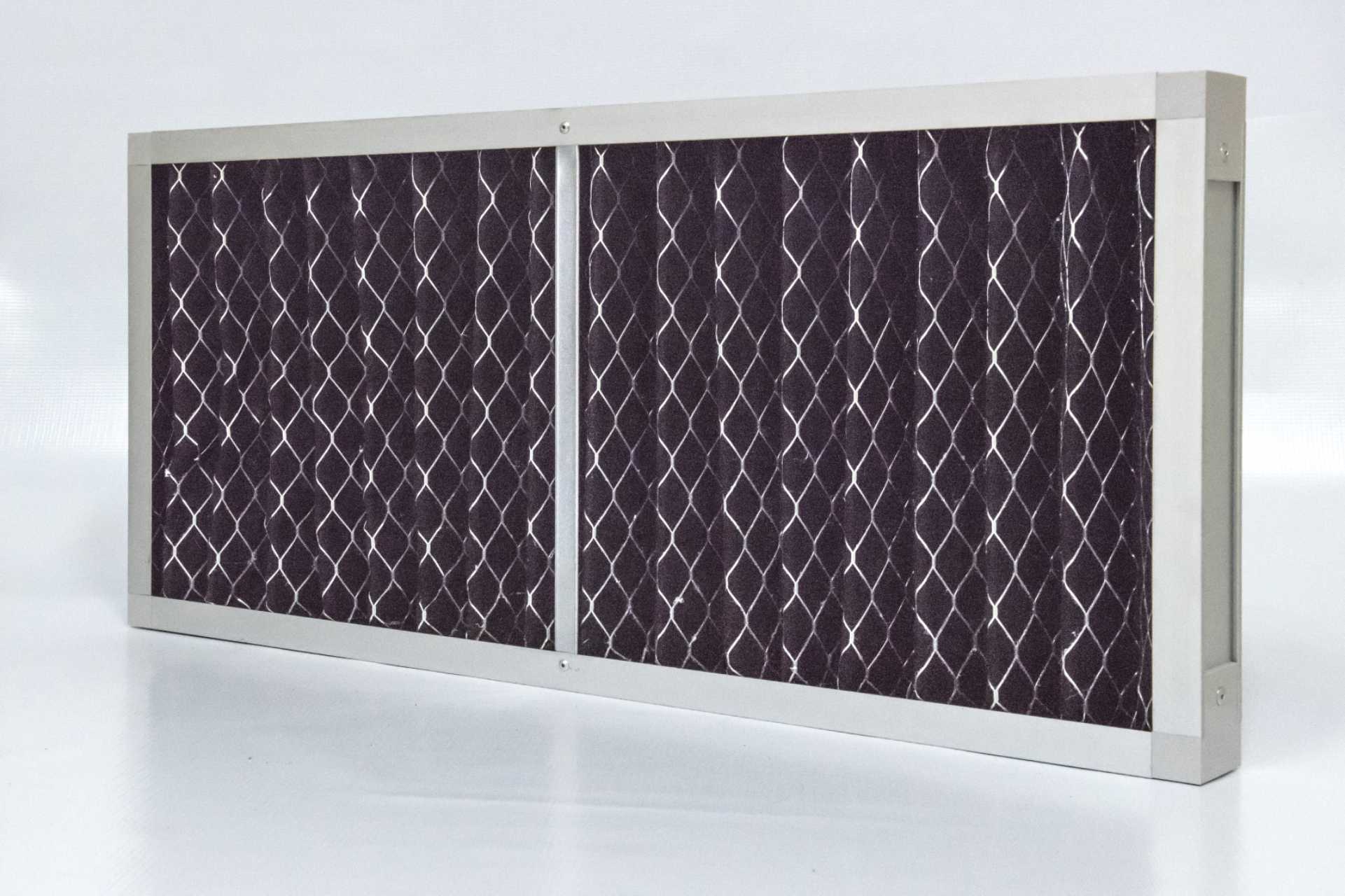
Carbon media formats to review with your equipment specification
The following links identify different materials, not interchangeable performance grades. Select a candidate for evaluation rather than approving it from its appearance or product name.
- Activated carbon nonwoven fabric — review the material specification and required sheet or roll format.
- Activated carbon sandwich nonwoven — a separate product; check its construction against the required layer design.
- PET-based activated carbon filter media — polyester fibers carrying powdered activated carbon, not ACF felt.
- Activated carbon foam — review the foam construction and the dimensions of the required part.
For conversion planning, compare rolls, sheets and cut parts. A pad describes the supplied shape; it does not identify the material or establish adsorption performance.
This page covers carbon materials and filter components, not a complete odour-control unit specification. Selecting a media layer does not establish the design or performance of the full system.
What should be checked before replacing an AHU carbon layer?
Use the equipment specification and an identified sample as the starting point. The checks below are purchasing review prompts, not a substitute for the equipment designer's approval.
| Check | Question to resolve |
|---|---|
| Fit and retention | Does the part match the drawing, support arrangement and sealing method? |
| Airflow and resistance | At the specified airflow, does the proposed configuration meet the equipment's pressure-drop limit? |
| Gas-phase duty | Which gas, concentration, temperature and relative humidity were used for the reported result, and how do they compare with the conditions at the carbon stage? |
| Replacement criterion | What measured performance or agreed maintenance requirement will trigger replacement? |
For test-result comparisons, use the carbon media specification guide. For replacement planning, read what determines carbon filter service life. A test duration is not automatically an installed service-life guarantee.
HVAC carbon media FAQ
Is a carbon filter the same as a particle pre-filter?
No. Gas adsorption and particle capture are different functions. Specify and assess each function separately, even when both are combined in one filter.
Can carbon media replace an existing AHU filter?
Matching the outside dimensions is not enough. Check the material, support, seal, airflow, allowable pressure drop and required performance against the equipment specification before approving a replacement.
Can Junkang supply rolls or cut pads for filter manufacturing?
Junkang supplies activated carbon materials in roll, sheet and cut-to-size formats. Send the material reference and drawing or dimensions so we can review the requested format.
Sources and scope
This is a material-selection guide, not a ventilation design or a guaranteed removal claim. The U.S. EPA carbon adsorber overview explains gas adsorption and operating indicators. ISO 10121-1's public scope distinguishes laboratory media comparisons from prediction of installed performance. These references do not certify Junkang products. Project approval requires evidence for the actual material and equipment configuration.