Polyester Pre-Filter Media Rolls & Cut Pads

White polyester pre-filter media in rolls, sheets and cut-to-size pads for HVAC, air-handling and equipment intakes. Made to the dimensions and specification agreed for your order. Tell us the application or send an existing specification or sample photo to start a discussion.

Form
Roll / Sheet / Cut pad
Material
Polyester fiber
Application
HVAC / AHU intake, equipment inlet and coarse dust pre-filtration
Project review
Width, thickness, cut size and required test evidence

Not sure of the complete specification? Tell us where the material will be used. Model-specific dimensions and performance documentation are reviewed before a specification is confirmed.

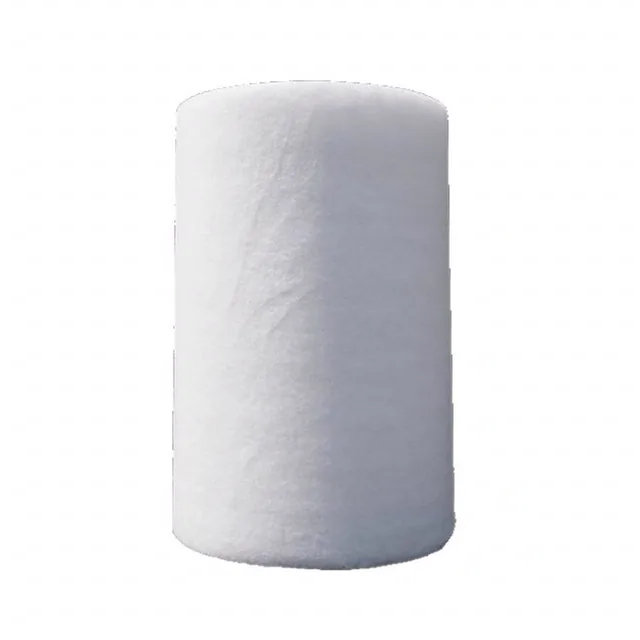
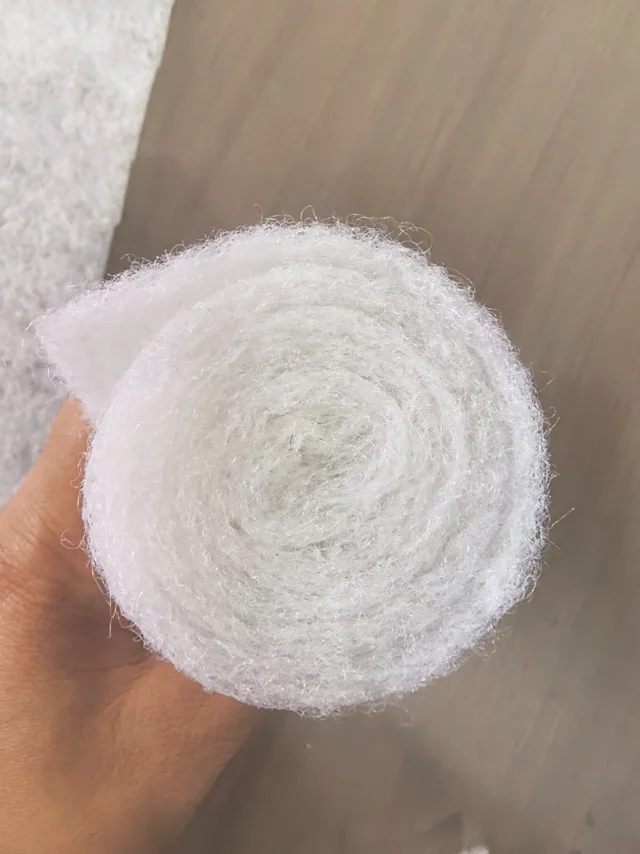
End view of a white polyester pre-filter media roll, 5 mm thick and 110 g/m²
White polyester pre-filter media — 5 mm, 110 g/m²

A common specification example

This is one example in our polyester pre-filter media range, not a fixed model for every order.

Thickness
5 mm
Basis weight
110 g/m²
Material
Polyester fiber

Different thicknesses and basis weights are reviewed against your application. Thickness and basis weight alone do not establish a filtration class or pressure-drop value.

Discuss your required size or specification. You do not need a complete datasheet to get in touch.

White Pre-Filter Media: Catalog Figures

Supplied catalog reference

The supplied booklet lists a white variant in its primary filter media series. These printed figures have not been matched to the pictured sample or a current model-specific test report.

Catalog color and label
White (also listed in black); G2 under EN 779
Average arrestance
50–60% (catalog cites ASHRAE 52.1-1992)
Initial pressure drop
20–25 Pa (airflow not stated)
Final resistance
150 Pa (series reference)
Dust holding capacity
350–550 g/m² (series reference)
Temperature resistance
100 °C (series reference)

Catalog references only, not verified performance for the pictured or currently supplied model. Read the classification and test-method limits below before using these figures in a specification.

Choose a supply format

The material specification and dimensions are agreed for your order. Choose the format for your next processing or installation step:

  • Rolls: for further cutting or converting. Width, thickness, roll length or total area, and quantity can be clarified together.
  • Sheets: for handling or assembly, with dimensions and quantity agreed for the project.
  • Cut pads: for an agreed installation size, shape and number of pieces.

For replacement pads, label the required finished media size separately from the nominal filter size or frame measurements. If the cut size is unclear, share a labelled photo or drawing so we can confirm the dimensions together. See the replacement pad dimension checklist.

Start with the application, or send a datasheet, part number, drawing or sample photo. You do not need a complete specification to contact us.

Request a quote or sample. Drawings and photos can be emailed to sales@junkangfilter.com.

We review the material and dimensions before arranging a sample or trial. Sample approval comes before bulk quotation and supply; sample charges, minimum order quantity and lead time are confirmed for the project.

The RFQ checklist and sample approval checklist are optional references for our follow-up discussion.

Optional specification details

Details that help select a model

For a more specific material review, add the following information where available. These are selection details, not a requirement to complete every field before contacting us.

Basis weight in g/m², sometimes written as GSM, describes mass per unit area; it does not specify a filtration class. If several layers are combined, identify whether the value covers this pre-filter layer or the complete medium. See the basis-weight and carbon-loading guide for the different measurement scopes.

  • Required base fiber, if specified; otherwise confirm the material for the proposed model
  • Required grade and any stated pressure-drop target
  • Installation position, airflow direction and downstream filter
  • Trial quantity, regular order quantity and packing requirement

How should bonding or adhesive requirements be specified?

If your specification mentions “glue”, state its purpose and location. An adhesive used within the fiber web is not the same requirement as an adhesive backing used to attach a pad to a holder. Send the existing specification or sample reference and confirm the construction for the proposed model before approving a replacement. Do not infer the bonding method or filtration class from the white appearance.

Why is the catalog's G2 label not a verified rating?

G2 is a European EN 779 classification, not a Chinese national-standard grade. The booklet separately cites ASHRAE 52.1-1992 for its 50–60% average arrestance figure. Those references use different methods and cannot verify one another. Without a model-matched report, the catalog label does not establish an EN 779 rating for the pictured or currently supplied material.

EN 779 and ISO 16890 use different classification and test methods. A G2 label alone does not establish an ISO 16890 class. For more on comparing reports, see our test-data guide.

What to confirm for a current project

If your specification calls for ISO 16890 or another test standard, send the required class and any available test or replacement-filter reference. We will check whether corresponding documentation is available for the proposed model before confirming a class.

Check whether the report covers loose media or a complete filter. Keep its model identity and test conditions with the reported result.

Material, applications & frequently asked questions

What is white polyester pre-filter media?

White polyester pre-filter media is installed as an initial dust-filtering layer before downstream filters, coils or equipment components. Its role is to intercept incoming particulate matter at the first filtration stage and support the complete air-handling or equipment filtration arrangement.

The material can be supplied as a roll for further converting, as sheets for assembly, or as cut pads for a specified installation size. Final selection must be based on the required grade, dimensions, airflow conditions and downstream filter structure.

Typical HVAC and ventilation applications

  • HVAC and air-handling unit intake sections
  • Ventilation equipment air inlets
  • Coarse pre-filter layers positioned before downstream filters
  • Filter manufacturers converting bulk rolls into sheets or pads

For spray booths, distinguish incoming-air pre-filtration from ceiling supply-air filtration and paint-mist arresting media for the exhaust side. These serve different positions and functions; one material's grade or test result does not establish another's performance.

White polyester pre-filter media FAQ

What is this white pre-filter media made from?

Our white pre-filter media is made from polyester fiber. Synthetic is a broader material category; white color alone does not identify the fiber in other products. For a replacement, use the base-fiber check in our RFQ guide to compare the material specification.

Can you confirm a G2 filtration class for this white media?

Not from an older catalog label alone. Share the applicable standard and required class. We can review whether matching test documentation is available for the proposed model before confirming a filtration class.

Can a G2 label be converted directly to an ISO 16890 class?

No. EN 779 and ISO 16890 use different classification and test methods. A G2 label alone does not establish an ISO 16890 class for a product.

Where is white pre-filter media installed?

Common installation positions include HVAC and air-handling intakes, ventilation equipment air inlets and other first-stage filtration sections designed to intercept incoming dust before downstream components.

Can white polyester filter media be cut to size?

Roll, sheet and cut-pad supply can be discussed. Send the required dimensions and quantity so the proposed format and specification can be reviewed.

Can white polyester pre-filter media be washed and reused?

Do not assume that white polyester pre-filter media is washable or reusable. Ask for the care instructions for the proposed model. If your application requires repeated cleaning, include the cleaning method and the required checks after cleaning in your RFQ. Confirm these requirements before approving a replacement.

Product distinction

Is white pre-filter media the same as spray booth ceiling filter media?

No. General white polyester pre-filter media and spray booth ceiling filter media serve different installation positions and selection requirements. Identify the location and required filter function before choosing a material.

How can I check performance data?

Ask which model and test item a report covers, including the stated airflow conditions. Do not use a value from another material or a photograph to approve your filter design.

Test methods & combined-filter designs

Comparing pressure-drop figures?

Ask for the airflow or face velocity, test dimensions and mounting arrangement behind each figure. Keep initial pressure drop separate from the final resistance used for a test or replacement decision. Compare the conditions before comparing the numbers.

Use our guide to comparing white filter media test data to identify missing information before approving a proposed model.

Can a white pre-filter rating confirm carbon-filter performance?

No. A particle-removal rating does not establish gas adsorption. For a filter that combines white pre-filter media and activated carbon, specify the particle and gas requirements separately and check which material or complete device each report covers.

Use the carbon filter test-report guide to distinguish particle ratings, media tests and complete-device tests.

Choosing both stages for one filter design

Send the layer arrangement, dimensions, airflow direction and any existing specifications. For the white stage, identify the particle-filtration requirement. For the carbon stage, identify the target gas or odor and any gas-test requirement. Confirm performance against the actual design before approving a replacement.

The activated carbon media overview links to nonwoven, sandwich nonwoven, PET-based media, ACF cloth and felt, and carbon foam.
Send Your Requirement

Tell us the application, whether you need rolls or cut pads, the dimensions and the quantity. Not sure of the specification? Share what you know and we can discuss the rest.

Have a drawing or sample photo? Send it to sales@junkangfilter.com or use WhatsApp. This form does not upload files.

What happens after your inquiry?
  1. Send the requirement you already have.
  2. Review the material, dimensions and specification with us.
  3. Agree sample or prototype arrangements.
  4. Approve the sample against the agreed requirements.
  5. Confirm the bulk quotation and supply arrangements.

Sample charges, minimum order quantity and lead time are confirmed for your project.